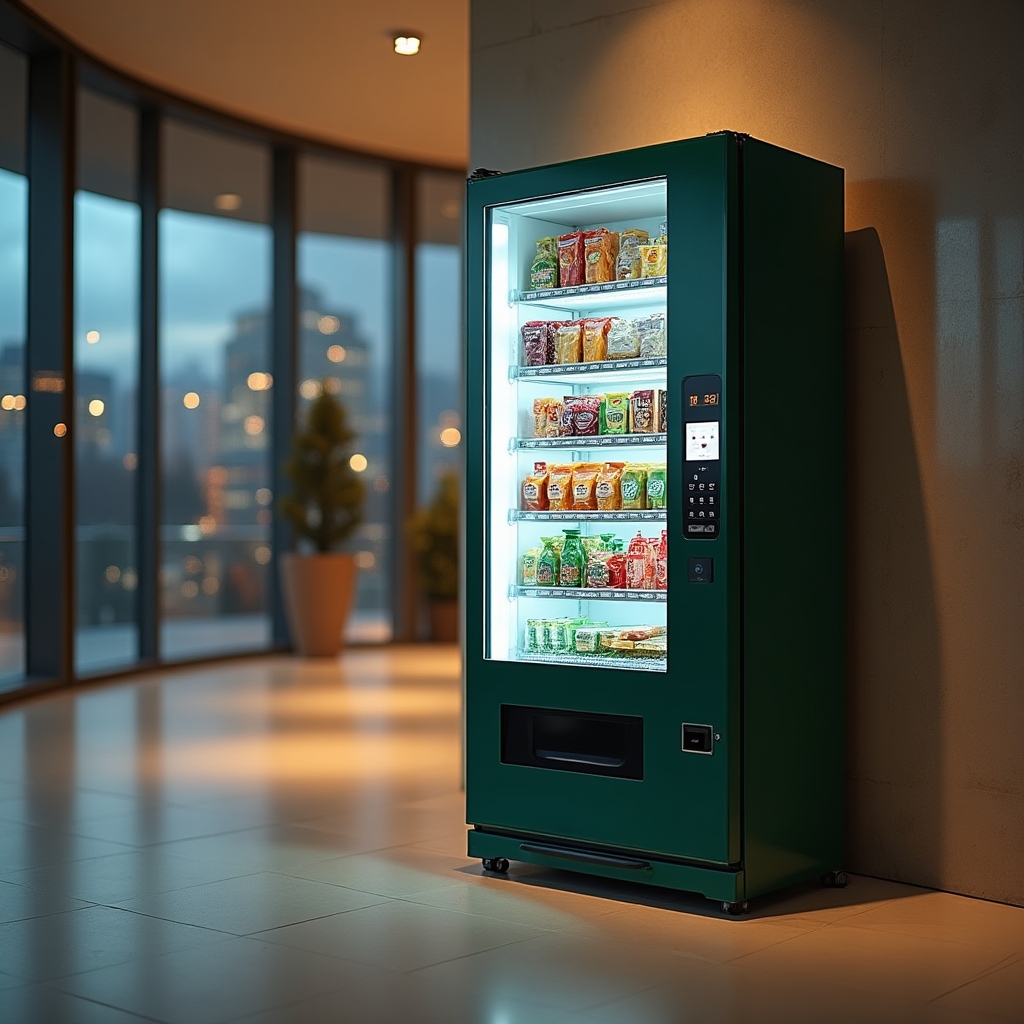
Sustainability at Our Core
How we think about editorial responsibility, environmental awareness in vending, and long-term value for the operator community.
Information that holds up over time
Sustainability, for us, begins with editorial integrity. A resource that publishes inaccurate or commercially motivated information is not sustainable in any meaningful sense. Our commitment is to information that remains useful and accurate as the market evolves.
We revisit published content when regulations change, when operators report new patterns, or when earlier information proves incomplete. We note when content was last reviewed.
What we do not do
- Sell or recommend specific machines
- Accept payment for editorial coverage
- Publish unverified operator claims as fact
- Promote any particular supplier or brand
How sustainability shapes this resource
Editorial Independence
Every article on this site is written without commercial influence. When we interview operators, we present their perspectives as perspectives, not as recommendations. We distinguish between what one operator reports and what represents a broader pattern.
We do not accept affiliate arrangements, sponsored placements, or commissions from any party in the vending supply chain.
Environmental Context
Vending machines consume electricity continuously. The choice of machine, its energy rating, and how it is configured for low-traffic periods all affect environmental footprint. Operators who understand this can make better decisions when selecting equipment and negotiating with landlords about power supply.
We cover energy consumption as a cost and environmental factor in our economics content.
Packaging and Waste
Single-use packaging in vending machines is a growing concern in Poland, particularly as EU regulations on packaging waste continue to develop. Operators who position themselves ahead of these requirements face fewer disruptions when rules change.
Our content on product mix includes guidance on understanding packaging regulations as they apply to vending.
Long-Term Operator Viability
A sustainable vending business is one that is structured soundly from the start. Operators who enter with realistic cost projections, properly registered machines, and well-drafted placement agreements are more likely to remain in business over time.
Supporting that kind of informed entry is the core purpose of this resource.
How content gets published here
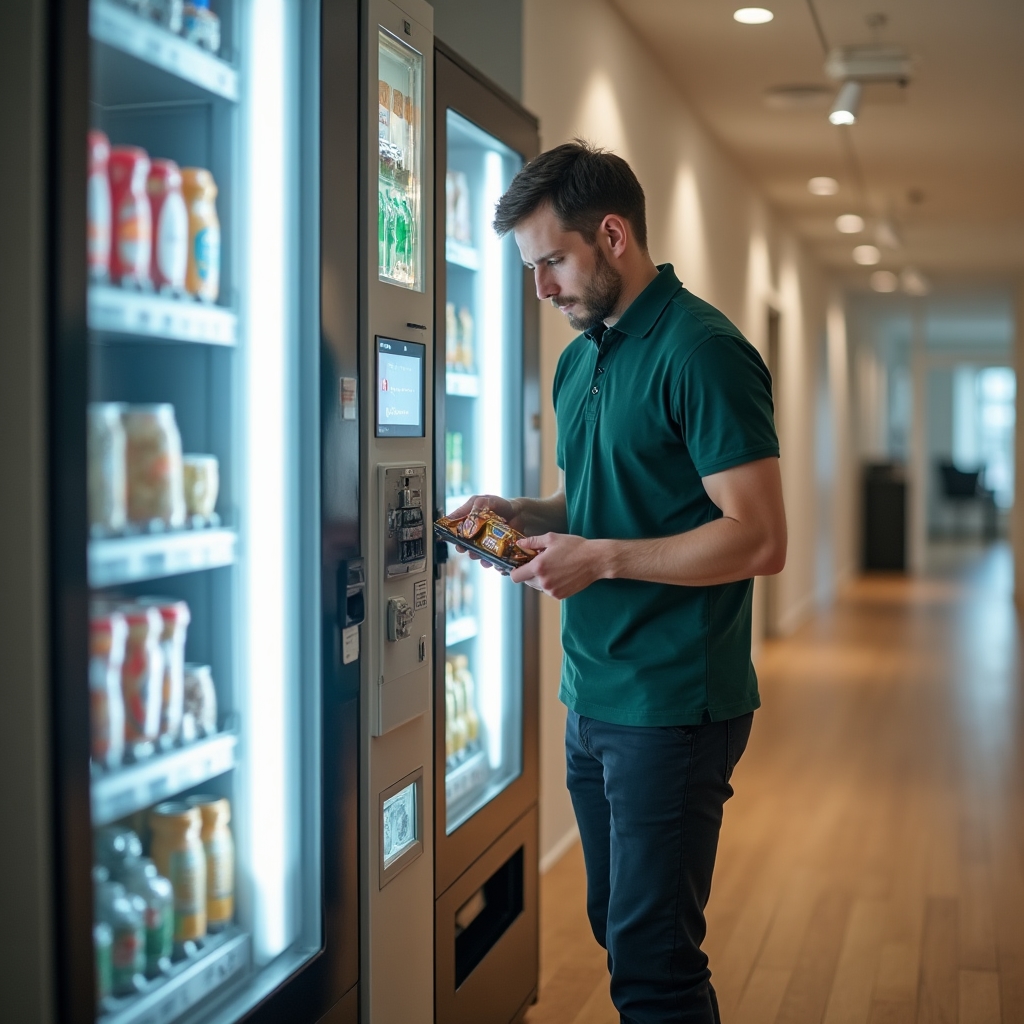
Articles begin with a question that operators have actually asked or a regulatory area that creates genuine confusion. We then gather information from multiple sources: operators running routes, publicly available regulatory documents, and where relevant, local authority guidance.
We write in plain language. Regulatory requirements in particular are often written in a way that makes them harder to understand than they need to be. Our goal is to make the substance accessible without distorting it.
When information is uncertain or contested, we say so. We do not present a single operator's experience as universal truth.
Contact the editorial teamThe environmental dimension of vending
Understanding energy use is part of understanding the total cost and impact of a vending operation.
Standby Consumption
Machines left in full operation during low-traffic hours consume electricity without generating revenue. Understanding standby modes and their energy implications is relevant both for cost and environmental reasons.
Refrigeration Load
Machines that hold fresh food or chilled drinks carry a refrigeration load that varies with ambient temperature. Placement in areas with direct sunlight or poor ventilation increases this load and the associated cost.
Packaging Regulations
EU and Polish national regulations on single-use packaging continue to evolve. Operators who understand the current framework and the direction of future changes can make product choices that reduce compliance risk.
Route Efficiency
How routes are planned affects fuel consumption and restocking labour hours. A well-structured route that groups nearby locations reduces both costs and the environmental footprint of the operation.